

UAE wellness real estate market surges to $14.6bn
Nature and lifestyle features increasingly driving residential demand
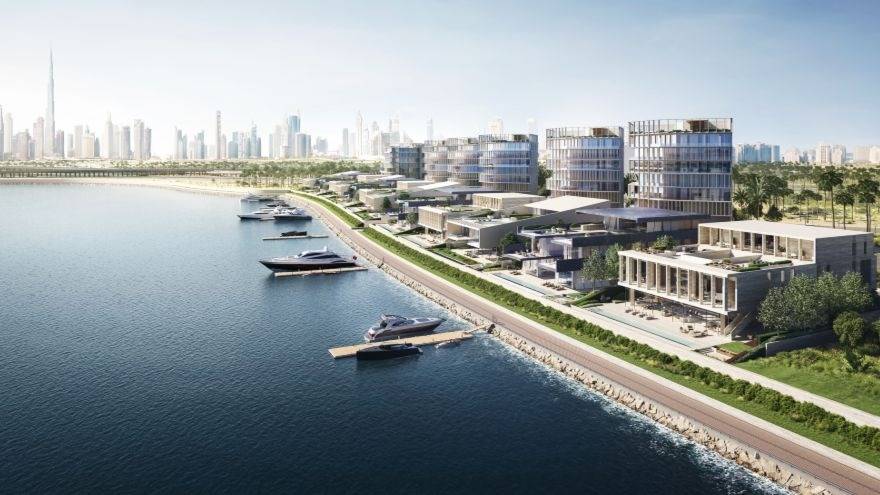
DUBAI – Dubai’s property landscape is undergoing a major transformation as wellness-driven development moves from niche concept to mainstream strategy.
New research shows the United Arab Emirates (UAE) has become one of the fastest-growing wellness real estate markets globally, reflecting changing priorities among developers and homebuyers alike. Industry leaders say the shift is being fuelled by government vision, policy support and growing recognition that built environments directly affect quality of life.
According to a newly released report by the Global Wellness Institute (GWI), wellness real estate now accounts for more than 12 percent of all construction activity in the UAE. The sector expanded sharply from $3.3 billion in 2017 to $14.6 billion in 2025, underlining the scale of growth in a relatively short period.
Wellness real estate
The report also points to a strong global trajectory. Wellness real estate worldwide is projected to grow from $876 billion in 2025 to $1.8 trillion by 2030. Across the UAE and Saudi Arabia, more than 555,000 wellness-focused residential units are currently in the pipeline, signalling strong long-term investment in the sector.
Dubai luxury developer Keturah says the figures represent more than market growth and indicate a fundamental rethink of how communities are designed.
Talal M. Al Gaddah, CEO and Founder of the Keturah luxury brand, said the UAE’s rapid expansion in wellness real estate was a direct outcome of national priorities that have increasingly placed human wellbeing at the centre of development strategies.
“The UAE's growth in this sector is the direct result of government vision and national mandates that have made human wellbeing a development priority, and policy will continue to shape the market,” he said.
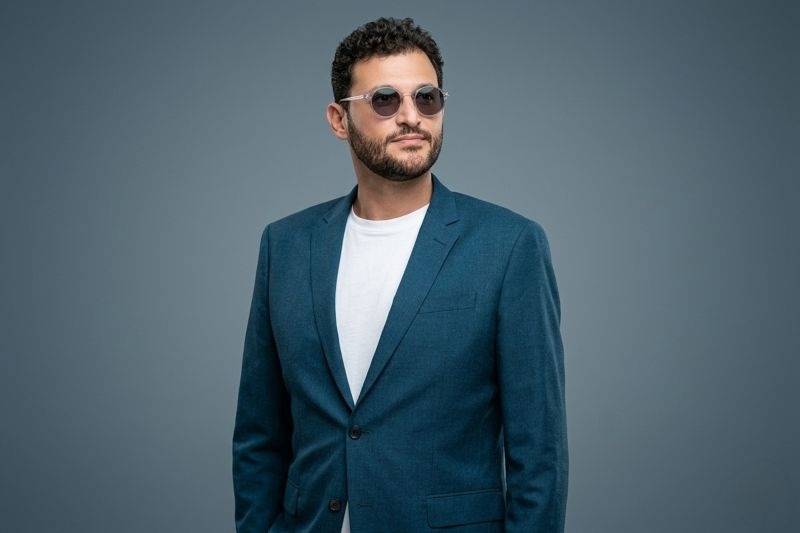
Al Gaddah also backed the GWI’s assessment that wellness real estate serves as a corrective approach to earlier models of development that often overlooked residents' physical and emotional wellbeing.
“For too long the industry built environments that looked impressive, but took little account of the health and quality of life of the people living in them,” he said.
Wellness living
He noted that expectations have evolved beyond traditional environmental metrics such as sustainability ratings and green certifications. Today, developers are increasingly being measured on broader lifestyle factors including social connection, mental wellbeing and community design.
Keturah currently has two Dubai projects under development built around those principles. One is The Ritz-Carlton Residences at Keturah Resort, described as the Middle East’s first fully wellness-certified resort.
Located on the shores of Dubai Creek near Ras Al Khor Wildlife Sanctuary, the project will feature 12 waterfront mansions, 193 apartments, a five-star boutique hotel, a standalone wellness centre and a private marina.
The second project, Keturah Reserve, is a Dh5.7 billion bio-living community in Mohammed Bin Rashid City’s District 7. The development includes 540 homes made up of low-rise apartments, villas and townhouses designed around natural light, green surroundings and principles linked to everyday wellbeing.
Premium demand
The GWI report also identified nature, culture and heritage as increasingly important components in wellness-focused developments.
Al Gaddah said these features create a deeper sense of identity and belonging within communities, adding that developments rooted in their surroundings often generate stronger emotional connections for residents.
The report further cited findings from more than 300 independent studies showing that wellness-focused residential properties in middle and upper market segments can command premiums of between 10 and 25 percent.
According to Al Gaddah, the market increasingly rewards developers that adopted wellness principles early, with stronger pricing and long-term buyer appeal becoming defining characteristics of the segment.
Looking ahead, he pointed to demographic changes as another major force likely to shape future demand patterns, with evolving family structures, ageing populations and younger generations expected to influence how communities are planned and designed. The latest GWI findings were presented at the Global Wellness Summit’s Wellness Real Estate & Communities Symposium in New York City earlier this week.